How to use AI to estimate points and miles earnings for a trip



 Reading Time: 4 min
Figuring out how many points you’ll earn on a given trip sounds simple — until you try to do it.
The problem is that most bookings earn you rewards in several places at once: credit card points, portal bonuses (if you book through a third party), and airline or hotel loyalty points. Each one has its own math, and almost no tool calculates all three together in one place.
Airlines have their own calculators, as do some travel portals and booking tools. But neither will tell you that booking a United flight through Chase Travel with your Chase Sapphire Preferred® Card earns you a specific stack of multipliers that a direct booking wouldn't match.
That's where AI comes in. It can layer the math, show you the breakdown, and tell you exactly what you're missing if it can't calculate something confidently.
Here’s exactly what trip info you need to gather to put together an easy prompt to get a clear picture of the rewards you’ll earn.

In case you missed it...
This week's top travel dealsFind out if your flight earns by spend or distance
Before running the numbers, you need to know how the airline or hotel actually counts your earnings.
- Spend-based programs (including those of most U.S. airlines like American, Delta, and United) award miles based on what you paid — specifically, the base fare plus carrier-imposed surcharges. They exclude government taxes. So if your ticket costs $500 but $80 is taxes, you're only earning miles on $420. Your elite status also changes the multiplier (i.e., United Premier Gold earns 8x instead of 5x).
- Distance-based programs flip the script. Some partner flights or specific fare classes earn based on miles flown. For example, a "K" class economy ticket might earn only 25% of the distance, while a "Y" class earns 100%.
If you don't tell the AI which system applies, it's just guessing.
Spending hundreds on groceries with nothing to show for it?
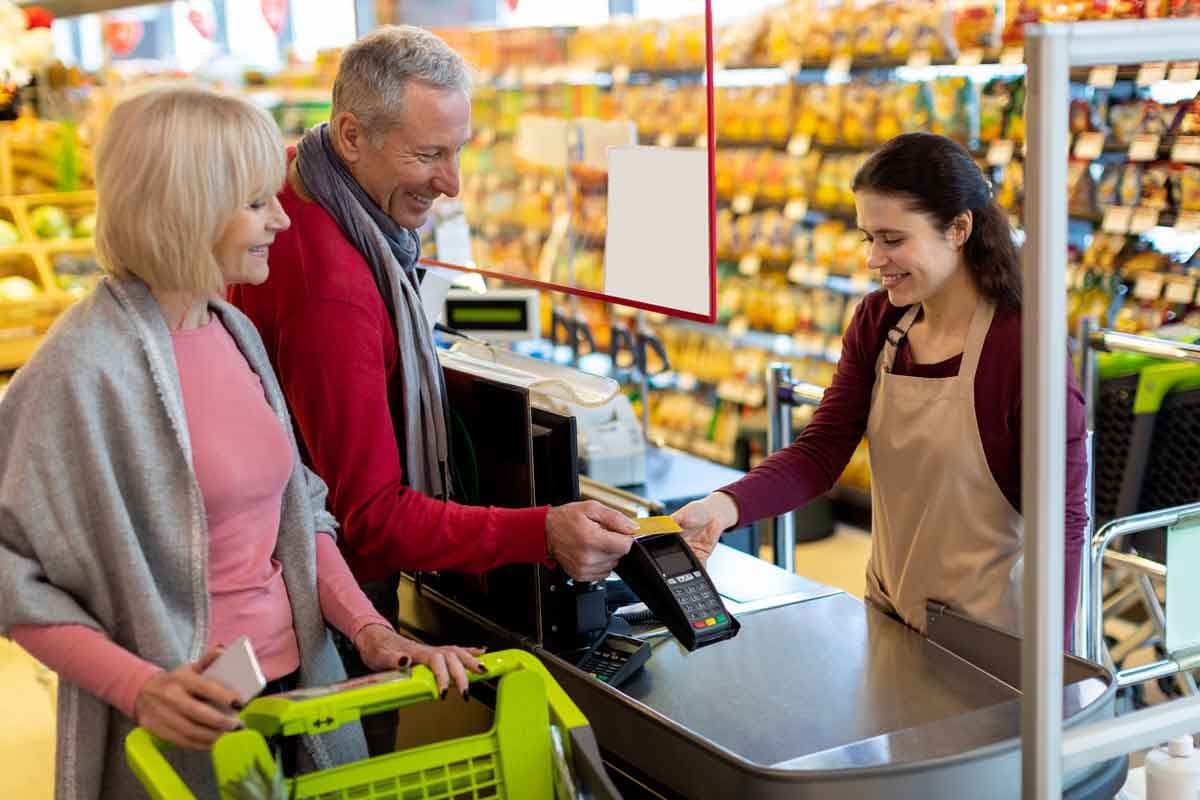
The right credit card can transform your weekly supermarket shopping trips into serious rewards. Some offer up to 6% back on groceries, while others provide valuable travel points that can be worth 2-3 times more when redeemed strategically. But here's the game-changer: Many of these cards come with welcome bonuses worth as much as 100,000 points. That's essentially free travel for groceries you're buying anyway. Whether you're feeding a family or shopping solo, there's a card perfectly matched to your spending habits.
Check out our top 5 credit cards for groceriesWhy portals make this harder (and more rewarding)
If you book through a credit card travel portal, your card earnings can jump. For example, the Chase Sapphire Preferred earns 5x points on Chase Travel bookings instead of the usual 2x on travel.
Then you have platforms like Rove that layer on their own rewards — sometimes up to 10x on flights and 25x on hotels. You're stacking credit card points, Rove miles, and airline points all in one booking. (Just note that while flights booked via third parties usually still earn airline miles, hotels often don't.)
Most calculators will help you with one layer. None do all three.
The prompt that stacks everything together
Here's an AI template you can use. Copy it, fill in the brackets with your trip details, and it'll break down the math across all three buckets.
Copy and paste this prompt:
You are my points-and-miles earnings calculator. Estimate how many rewards I'll earn for this trip and show totals in these buckets:
A) Credit card points
B) Portal/OTA rewards (if any)
C) Airline miles or hotel points
TRIP DETAILS
- Type: [Flight / Hotel]
- Airline/Hotel: [ ]
- Route (if flight): [X to Y]
- Total charged (incl taxes/fees): [$ ]
- Eligible spend (exclude taxes if known): [$ ] (base fare + carrier surcharges)
BOOKING METHOD
- Channel: [ ]
- Credit card: [ ]
- Card earn rate: [ ]
- Portal bonus: [ ]
- If booking via portal/OTA: does this booking still earn airline/hotel points and elite credit? [yes/no/uncertain]
LOYALTY STATUS
- Program: [ ]
- My status: [ ]
- Earning basis: [Spend-based / Distance-based / Uncertain]
- If distance-based: operating airline [ ], fare class [ ], distance (miles) [ ]
OUTPUT REQUIREMENTS
1. Calculate A, B, and C separately. Show the math for each (i.e., "$420 × 8 status multiplier = 3,360 miles").
2. Grand total across all currencies.
3. If missing key info (fare class, distance, eligible spend), label UNCERTAIN and tell me what to look up.
4. Add: "What changes if I book direct instead?"
Real-life example
Let's say you book a $440 United flight through Chase Travel using your Sapphire Preferred. The base fare plus surcharges is $400 (the remaining $40 is taxes).
- A) Credit card points: Sapphire Preferred earns 5x on Chase Travel purchases.
- $440 × 5 = 2,200 Chase points.
- B) Portal rewards: None in this example (Chase points already cover this).
- C) Airline miles: United Premier Gold earns 8x on eligible spend.
- $400 × 8 = 3,200 United miles.
Grand total: 5,400 points and miles.
If you booked the same flight through Rove instead, you'd add Rove's earn rate (let's say 10x, based on what's shown at checkout) on top of your airline miles. Your Sapphire Preferred would likely earn 2x points (standard travel bonus category), but if the purchase codes differently, you might only get 1x, so treat the card portion as uncertain until you confirm how Rove bookings code with your specific card. Now you're triple-dipping!
Just remember, not all points are equal. This prompt shows totals by program, but Chase points and United miles have different values. Since Chase points transfer to United at 1:1, this example is easier to compare. For other bookings, check Points Path’s program valuations to see what your earnings are really worth.
AirTags are a “must have” for your next trip

Before you jet off on your next getaway, grab a 4-pack of AirTags and place them in all your checked luggage — and even your carry-ons. You’ll feel much more secure when traveling, and if your luggage does get lost, you’ll have a much easier time tracking it down.
Get it at Amazon