Use AI to book restaurants that sell out in minutes


 Reading Time: 3 min
You've booked the flights, locked in the hotel, and mapped out the itinerary. Then you go to reserve a table at the restaurant you've been thinking about for months and find out it books out 30 days in advance, at exactly 10 a.m. Tokyo time, which lands the night before on the East Coast.
Most sought-after restaurants release reservations on a rolling basis, typically 30, 60, or 90 days in advance, at a specific local time. They fill up in minutes, and if you're not ready, you miss your chance. The challenge gets even harder when you're juggling multiple restaurants across multiple cities, each with different booking platforms, reservation windows, and time zones.
AI agent tools can attempt a booking on your behalf now, but they're still unreliable in a race decided in seconds. What AI does reliably is build a plan that makes sure you're ready the moment the window opens.
Build your reservation game plan with AI
Instead of manually tracking dates and doing time zone math, give AI your restaurant wish list and let it organize everything. If you've already built out a traveler profile with AI, the results come back even sharper.
Paste this prompt into ChatGPT, Claude, Gemini, or whichever tool you prefer:
I'm traveling to [destination] from [travel dates] and want to secure reservations at the following restaurants:
Restaurant 1: [ ]
Restaurant 2: [ ]
Restaurant 3: [ ]
Please research the latest reservation rules for each restaurant, including how far in advance reservations open, what time they open in the restaurant's local time zone, and which platform they use (e.g., Resy, OpenTable, Tock, SevenRooms, TableCheck, or direct booking).
Convert each opening time to [your home time zone] and create a prioritized reminder schedule. Format each reminder like this: 'Set an alarm for [time] on [date]: The [X]-day window for [Restaurant Name] opens at [local time]. Book via [platform].'
Also flag any restaurants that require a deposit, charge upfront through Tock, or have cancellation policies I should know about.
What you'll get back is a ready-to-use schedule that tells you when to be ready, in your own time zone, with no mental math required.
One caveat worth building in: AI can get reservation windows wrong, especially at restaurants that recently changed platforms or policies. Spot-check every date and time against the restaurant's own site before you trust the alarm.
Vet the restaurant before you fight for the table
Getting the reservation is only half the battle. Before spending weeks trying to secure a table, make sure it's actually the right fit for your group. Ask AI to review the menu, dress code, dietary accommodations, and cancellation policies before you commit:
Review this restaurant's latest menu and policies. I'm traveling with someone who doesn't eat shellfish. Tell me whether this restaurant is likely to work for us and what questions we should ask before booking.
Have a backup plan ready
Even a solid strategy doesn't guarantee a table. Popular restaurants can sell out quickly, change their booking systems, or simply have limited availability on your dates. The same logic applies to stress-testing the whole trip for hidden risks before you book.
Instead of scrambling after a missed window, ask AI to build a backup list in advance:
Suggest three alternatives to [Restaurant X] with a similar vibe, cuisine, and price range that are easier to book.

In case you missed it...
The gear I won't fly internationally withoutTurn your schedule into calendar reminders
Once AI builds your reservation schedule, ask it to generate a calendar file (.ics) you can download and import into Google Calendar, Apple Calendar, or Outlook. You can set alerts for when reservation windows open, when cancellation windows become available, when you need to confirm a booking, and when to leave your hotel for dinner.
AI won't guarantee you a table at the world's most exclusive restaurants. But it can remove a lot of the guesswork and help you avoid the worst-case scenario: realizing the reservation window opened after it already closed.
The ultimate hidden camera detector for rentals and hotels
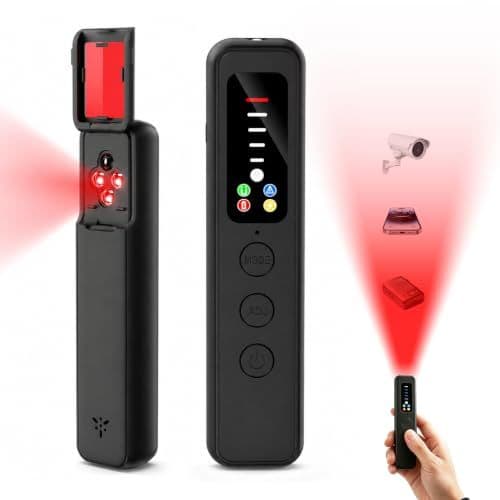
Take control of your privacy wherever you unpack. This compact 7-in-1 bug detector sweeps rooms for hidden cameras and listening devices without making a sound, thanks to a custom silent mode and intuitive LED panel. Complete with a 25-hour battery and built-in door security alert, it's cheap insurance when privacy is a concern.
Get it at Amazon