The bank bonus that pays in Amex points instead of cash


 Reading Time: 4 min
It’s not every day you see a bank offer that pays out in transferable rewards points for travel, so I decided to sign up for an American Express Business Checking bonus that promised 70,000 Membership Rewards points.
I knew it would take a little more effort than a typical credit card sign-up bonus. There were a few steps involved, like funding the account, keeping a balance for a set period of time, and completing a handful of transactions along the way.
None of it was difficult on its own, but it did take a bit of planning and some extra cash set aside.
Earn travel rewards without a credit card!

One of the best ways to travel for free is by earning points and miles. And while you might think you need a credit card to earn rewards, we have a secret for you — you don't, thanks to this program. This company offers plenty of ways to earn its points just by going about your daily life. (And spoiler alert: their points are incredibly valuable!) So take a look and see how you can start earning travel rewards right now with no credit card required.
Start collecting points without plastic!What Amex actually asked for
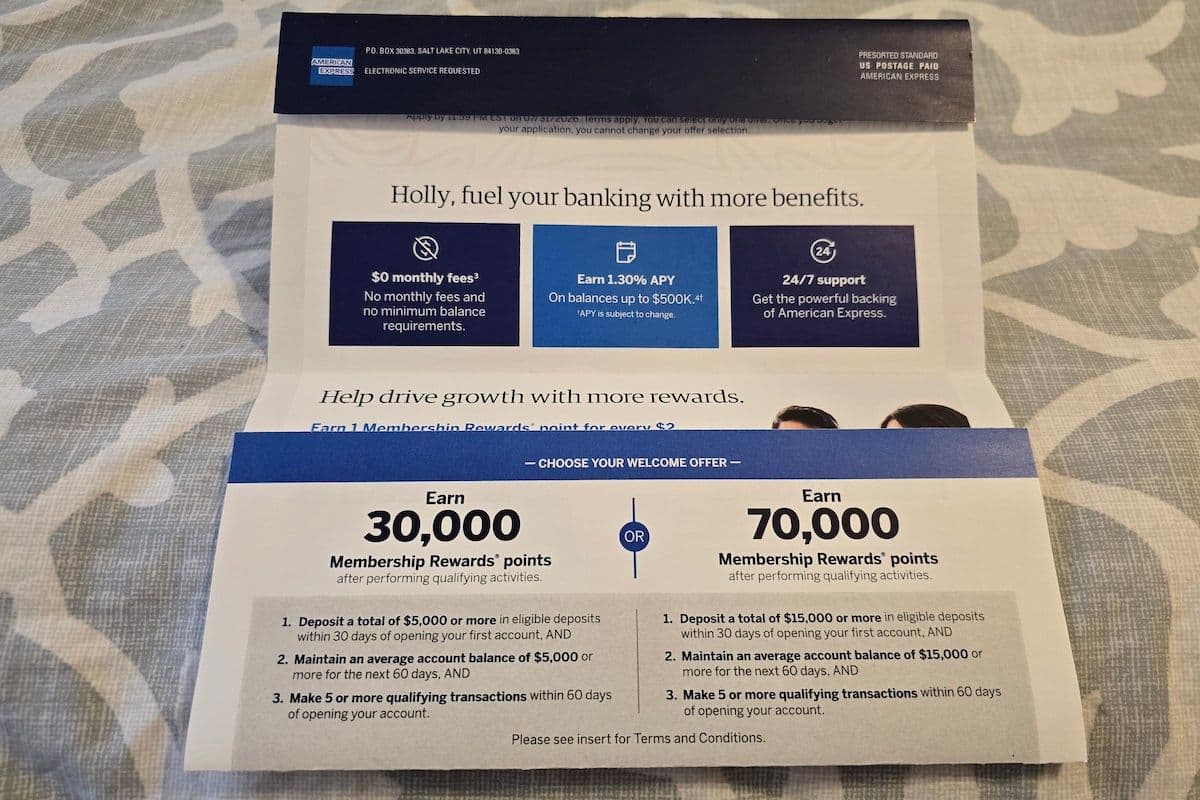
I first learned about this offer after getting a mailer from American Express. And it’s worth saying up front: It’s targeted. Amex limits it to businesses it solicited directly, with apply-by dates that serve as cutoffs. If you weren’t targeted, you may see a smaller offer or none at all.
It stood out right away because most banking bonuses only offer cash, while this one pays in Amex Membership Rewards, a transferable points currency that can unlock hotel and flight award bookings. One caveat, though: If a checking account is your only Membership Rewards product, your transfer menu is narrower than a cardholder’s, and Amex has excluded checking-only members from some transfer bonuses. Link it to an existing Membership Rewards card and you get the full list.
First, I had to open an Amex business checking account through the targeted offer link. It’s a business product, so you need a business — though sole proprietors can generally apply under their own name and Social Security number.
The mailer gave me a choice: 30,000 points for a $5,000 deposit, or 70,000 for $15,000. I took the bigger one, which meant funding the account with $15,000 within 30 days of opening. After that, I had to keep an average daily balance of $15,000 for 60 days — a clock that starts the day your deposits reach $15,000, not the day you open. The five qualifying transactions run on a separate 60-day clock that starts at account opening. Once all of that was done, Amex would post the points within eight to 12 weeks.
Two down, one to go
To meet the funding requirement, I temporarily moved money we had set aside for my 15-year-old’s future car into the account. The plan was always to keep it there just long enough to qualify for the bonus, then move it back into a high-yield savings account afterward.
I also paid a few bills through Amex to satisfy the five qualifying transactions requirement. Since ACH transfers into or out of the account also count as qualifying activity, hitting five transactions to earn the bonus was a breeze. Check the terms for what counts before you start, though — not every transaction type qualifies.
Amex also makes it easy to track where you are with the bonus in your online account. As you can see in the screenshot below, I deposited the money and completed five qualifying transactions already (noted with green checkmarks). All I’m waiting for now is 60 days to pass with $15,000 or more in my account, then the bonus of 70,000 American Express Membership Rewards points should post.

The best part? Amex Business Checking doesn’t have any monthly fees, and balances up to $500,000 earn 1.30% APY. While that’s not as much interest as I earn with high-yield savings, it’s better than nothing.
How to line up a banking bonus of your own
If you want to try a banking bonus like this, a few simple steps can make the process easier.
First, make sure you understand the full requirements before you move any money. Missing a detail can mean missing the bonus altogether.
Second, think about timing your cash. Many banking bonuses require you to keep a set amount of money in the account for a period of time, so it helps to use funds you won’t need in the short term.
Third, keep an eye on different types of bank offers. Some banks offer cash bonuses for opening a new account, while others offer points that can be converted into travel programs.
Fourth, budget for the tax hit. This is the real difference between a banking bonus and a credit card welcome bonus. Card bonuses are generally treated as a rebate on spending and aren’t taxed; bank bonuses are income. Amex’s terms say this welcome bonus may be taxable and may be reported on a 1099.
Once you get the hang of it, banking bonuses can be an easy way to pick up extra rewards without changing your everyday spending.
This travel essential silences engine roar and busy terminals on a budget
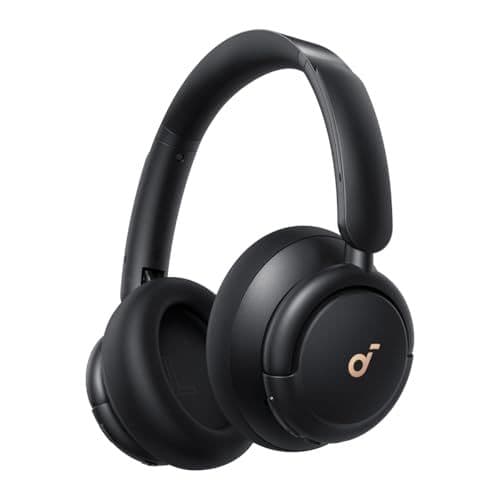
Anker Soundcore Q30 wireless headphones create a personal sanctuary with hybrid noise cancelling, specialized transport modes, and ultra-soft protein leather earcups. Their sound rivals expensive brands and they stay comfortable for hours.
Get it at Amazon