The AI prompt that builds a personalized jet lag plan


 Reading Time: 3 min
Jet lag is the uninvited travel companion nobody wants. You land in Rome, excited for a big bowl of pasta, but your body thinks it's 3 a.m. and has other plans.
I’ve tried plenty of ways to make crossing time zones less painful. The latest one costs nothing, requires no new app, and lives inside a tool you probably already have open in another tab.
Your secret weapon against jet lag
Before we get to the prompt, let’s have a quick science lesson. Your body runs on an internal clock to figure out when you should feel sleepy, alert, hungry, and everything in between. That clock is set primarily by light exposure.
NASA has studied this extensively with astronauts, who don't get normal sunrises and sunsets in space. They found that bright light at specific times, paired with avoiding light at other times, can help shift the body's internal clock on a more predictable schedule.
When you expose yourself to sunlight at the right times, you're essentially telling your brain what time it is at your destination. Avoid it at the wrong times, and you're doing the opposite. Caffeine and melatonin fit into this puzzle, too, but only if you're using them at the right moments.
What your plan needs
A useful plan has to go beyond “sleep on the plane.” Feed an AI your travel details, and it can build you an actual hour-by-hour schedule instead.
To get a solid result, your plan needs your full flight details, including layovers and connection times. It also needs your preferred bedtime and wake-up time at home, your sleep chronotype (i.e., wolf, lion, bear, or dolphin), your age and sex, your caffeine habits, how well you usually sleep on planes, when you need to feel alert after landing, and any sleep aids you regularly use.
Your AI jet lag prompt
Copy and paste the prompt below into ChatGPT, Claude, Gemini, or whichever tool you prefer:
Create a personalized jet lag management plan. I want an hour-by-hour schedule for before, during, and after my trip that tells me when to seek bright light, when to avoid light, when to drink or avoid caffeine, and when to take melatonin. Base your recommendations on circadian rhythm science and light exposure strategies.
Here are my details:
Origin city and time zone: [ ]
Destination city and time zone: [ ]
Full flight details, including all legs and layovers, with local departure and arrival times: [ ]
Sleep chronotype, if known (i.e., wolf, lion, bear, or dolphin): [ ]
Age and sex: [ ]
Preferred sleep and wake times at home: [ ]
How well I usually sleep on planes: [ ]
What time I need to feel alert after landing: [ ]
Sleep aids used (i.e., melatonin, magnesium, white noise, etc.): [ ]
Caffeine habits: [ ]
Format the response as a clear schedule organized by local time. Include a short explanation for each recommendation, and remind me to check with a doctor before using sleep aids.
In case you missed it...
The $34 fix for staying connected in 120+ countriesWhat to expect
The AI will generate specific, hour-by-hour instructions like to avoid caffeine for the next six hours, get outside for bright sunlight in 45 minutes, or take 0.5 mg of melatonin now.
As always, it’s important to remember that AI isn’t perfect. It can misread time zones or suggest times that don't perfectly fit your itinerary, so always give the output a quick sanity check before your trip. And more importantly, check with your doctor before starting any new sleep aids.
That said, I've tried this method on weekend trips to the West Coast and short Europe visits, and it's made a difference in how quickly I felt like myself again.
If you recently picked up a WHOOP or an Oura Ring, this is a great chance to put the device to work. Track your sleep and recovery scores across the trip and see the results for yourself.
A next-gen AI PC laptop that's built for light travel
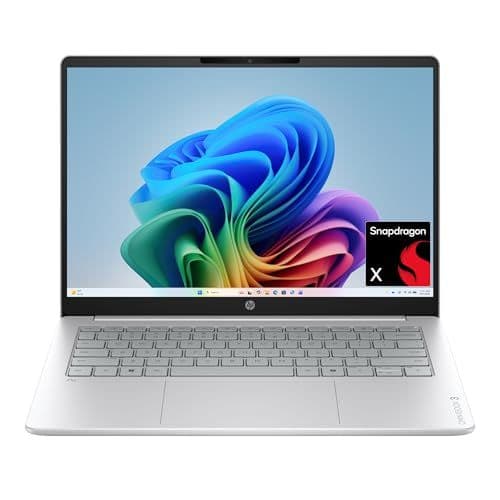
At just over 3 pounds and 0.58 inches thin, this HP OmniBook 3 14 inch laptop is a petit powerhouse with a 2k screen and enough battery life to outlast the longest flights while still disappearing into almost any bag or carry-on.
Get it at Amazon