How to keep airline credits from expiring, even without travel plans


 Reading Time: 3 min
It’s easy enough to keep airline miles from expiring, but airline credits are a completely different story. These often come with firm expiration dates, and if you’re not paying attention, they can disappear quickly.
Whether you’ve canceled or changed a trip or even received future compensation for a delay, you’re likely holding a credit or voucher of some kind. Among the major U.S. airlines, these credits have expiration dates ranging from a few months to a year.
And if you don’t use them in time? They’re long gone.
In many cases, though, you can extend the life of those credits even if you don’t have immediate travel plans. Here’s how to make sure you never lose their value ever again.

In case you missed it...
The points currency that beats Chase and AmexTake inventory and always read the fine print
Not all airline credits are built the same. American Airlines, for example, famously offers three types of credits (trip credits, flight credits, and travel vouchers), each with slightly different rules. So when you’re keeping track, don’t just note the airline, but also make sure you know which type of credit you have.
Back to our American Airlines example, flight credits are usually tied to the original passenger, while trip credits and travel vouchers are typically more flexible and can be used to book travel for others.
Some credits expire in as little as six months, while others give you up to a year. Even then, expiration rules vary as some airlines require you to book by a certain date, while others require travel to be completed by then. Simply noting the airline, the type of credit, and the expiration date can save you an immense amount of time down the road.
A better way to travel Europe

With Tourlane, you can skip hours of planning your trip and all those open tabs. Everything is organized in one place, with personalized itineraries, 1:1 planning sessions, and insider tips from local travel experts. A bespoke team designs custom European trips tailored to your preferences, with no generic packages. Start with a free 30-minute call to get your personalized travel plan, with flexible booking options and transparent pricing every step of the way. Points Path Insider readers can start building a trip designed entirely around them.
Plan your custom Europe tripThe “book and cancel” strategy
If your credit is nearing its expiration date and you don’t have any plans to use it, don’t fret. One of the most effective ways to preserve its value is to book a future flight (yes, any flight) far out in the future using your existing credit, ideally for a similar dollar amount.
You’ll want to avoid basic economy fares, as they’re typically nonrefundable or may come with a penalty. Consider booking a higher fare class, usually labeled as “refundable,” that allows cancellations so the value is returned as a credit.
Just don’t cancel that reservation too quickly, as canceling within 24 hours might send the value back to your original credit without extending the expiration. To be safe, wait a few days before canceling to help ensure a new credit is issued — and rebook your flight with a refreshed expiration date.
This strategy works because you’re essentially “recycling” the value of your credit into a new reservation, which can reset the clock under the airline’s current rules. In some cases, you may be able to extend the expiration date by another year, depending on the fine print.
Over recent years, I’ve tested this across major U.S. carriers — including American Airlines, Delta Air Lines, and United Airlines — as well as others like Alaska Airlines and JetBlue. This strategy may work with even more airlines depending on the specific terms of the credit.
By understanding your credit type and using tactics like booking and canceling a future trip, you can often extend the value and buy yourself more time to plan travel on your terms.
Clean floors, no effort required.
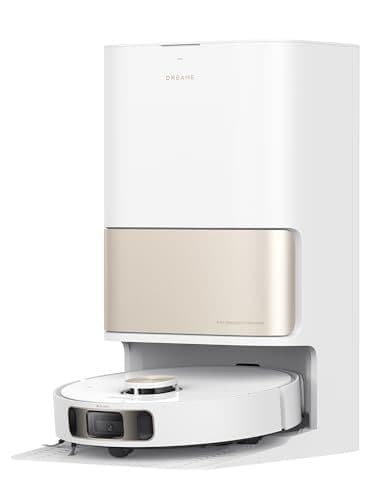
Return home to floors that clean themselves while you're away. The Dreame L10s Pro Ultra Heat robot vacuum and mop runs on schedule with 7000Pa suction and extendable mop arms that hit edges and corners, killing 99.99% of bacteria via 136°F hot water self-cleaning.
Get it at Amazon