How I’m using AI to plan better trips in 2026



 Reading Time: 4 min
Planning trips is kind of my thing. Bookmarking restaurants on the Beli app and going down Reddit rabbit holes debating whether I’ll have access to a specific airport lounge is my definition of fun.
What I don’t love is ending up with 27 tabs open and having to stitch all that information together. That’s why I rely on tools like Points Path to save the hours I used to spend bouncing between airline websites comparing award rates.
More recently, I’ve started using ChatGPT as another tool in that process. I’m not asking it to plan my trip from scratch or tell me where to go. Instead, I focus on what it does best: organizing information, giving blunt feedback, and saving me from sprinting through an airport.
Here’s how I’m using AI to plan smarter trips in the new year.

In case you missed it...
Get twice the travel rewards for everything you buyTurning messy research into a realistic itinerary
First things first, my research process isn’t changing. I still find the gems myself and build a rough checklist of places I want to see. This part is still very human-driven.
However, once I have that list, I paste it into ChatGPT to build a plan that makes geographic sense.
AI can catch spots that look close on a map but are actually 45 minutes apart. It also flags days that involve six hours of walking, a late dinner reservation, and a museum that closes at 5 p.m. You can even train it to suggest lighter plans on day one to account for jet lag.
If you want to try it, use a prompt like this:
I’m planning a [number]-day trip to [city].
I’ll be staying in [neighborhood] and starting my days there.
I’m traveling [solo / with a partner / with friends / with kids].
Here’s a list of places, restaurants, and activities I’m considering: [paste list]
Create a realistic day-by-day itinerary that groups stops by neighborhood, estimates walking or transit time between stops, minimizes backtracking, and flags anything that feels too packed.
My pace is [chill / moderate / fast].
I’m comfortable walking up to [step count or distance] per day.
Assume lighter plans on arrival day due to jet lag.
Favor public transit over taxis when it’s faster or more practical.
Here are any fixed reservations: [paste or say “none”]
Use your Bluetooth headphones with any airplane seatback screen

While some airlines like Delta and United are beginning to introduce Bluetooth-enabled inflight entertainment systems, widespread adoption is still years away. That means it's nearly impossible to use your own headphones or earbuds with your plane’s seatback screen. Or is it? We’ve found a simple and affordable gadget that plugs into a standard airplane headphone jack and pairs your wireless headphones effortlessly. Whether you're on a long-haul flight or just a short domestic hop, this device ensures a seamless, wire-free audio experience.
Learn how to avoid tangled cords at 30,000 feetJudging tight connections and stressful layovers
Another way I use AI is to sanity-check layovers.
If a connection looks doable but stressful, I ask ChatGPT to pressure-test it. It’s especially useful for bigger airports like London Heathrow (LHR).
Here’s a prompt I’ve used:
I’m considering a [connection time] connection at [airport] in [month or season], traveling on [day of week] around [time of day].
- Arrival: [airline] from [city], arriving at [terminal if known]
- Departure: [airline] to [city], departing from [terminal if known]
- Bags: [carry-on only / checked]
- Tickets: [single/separate tickets]
- Passport: [country]
- Fast-track access: [Global Entry / PreCheck / priority security / none]
Is this connection realistic? Rate it low, medium, or high risk, flag the main failure points, and suggest a safer minimum connection time. Would you book this or avoid it?
It won’t guarantee you make the flight, but it’s incredibly helpful when deciding whether a tight connection is worth the points you’re saving, especially when booking separate tickets.
Turning screenshots into a clean itinerary
Once everything is booked, my inbox becomes a mess of confirmation numbers and time zones. Instead of building a spreadsheet, I just take screenshots.
I’ll upload my flight confirmation, hotel booking, and any notes, then ask ChatGPT to turn it into a clean, chronological itinerary.
It takes seconds and saves a lot of digging later.
The mistakes I actively avoid
AI definitely hallucinates sometimes, so I stick to a few rules:
- I don’t use AI for discovery. I find places myself, then let AI handle the structure.
- I verify important details like opening hours, terminals, or transit schedules.
- I give specifics. The more context I provide, the better the output.
Think of AI as an assistant, not a tour guide. Used correctly, it doesn’t replace good travel planning. It just makes it faster, cleaner, and more realistic. And that’s exactly the kind of travel upgrade I want for 2026.
Keep your valuables safe on the road
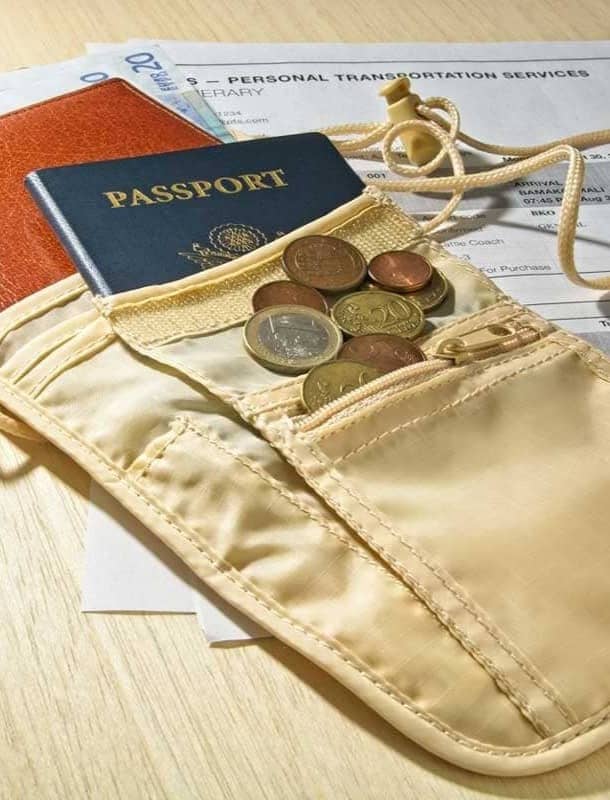
Make sure your passport, money, and other valuables are always close by with the Boxiki Travel Hidden Money Belt. With its flush-to-the-waist design, this belt bag can be hidden under your clothes, and its RFID-blocking material keeps your personal information safe.
Get it at Amazon!